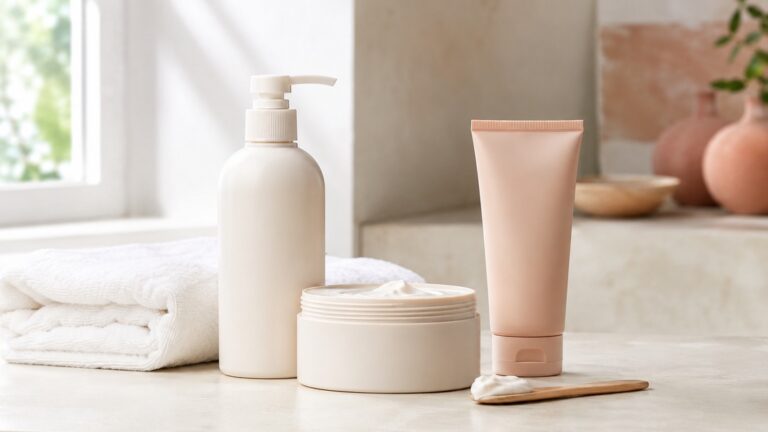
Body Care Quality Control for Beauty Brands: The Proven 2026 Guide
For beauty brands, body care quality control beauty brands is critical: it ensures product safety, regulatory compliance, and brand trust. Implement a robust system covering raw material verification, in-process checks, batch testing, stability studies, and pre-shipment inspection. Partner with a manufacturer that provides COA certificates and follows ISO/GMP standards to safeguard your reputation and consumer loyalty.
Table of Contents
- Why Body Care Quality Control Beauty Brands Can't Ignore
- The Core Components of Body Care Quality Control
- Practical Steps to Implement Body Care Quality Control
- Case Studies: How QC Protects Brands
- Frequently Asked Questions
- What is a COA, and why is it important for body care?
- How often should body care products undergo stability testing?
- What does pre-shipment inspection cover?
- Can I rely on my manufacturer's QC alone?
- What are the key regulations for body care quality control?
- How does Flavor Sources support body care quality control?
- Ready to Ensure Your Body Care Quality?
Why Body Care Quality Control Beauty Brands Can't Ignore
Body care products—lotions, creams, cleansers—are used daily on large skin areas, so quality failures can cause irritation, spoilage, or recalls. For beauty brands, quality control (QC) is not just a regulatory box; it's a promise of safety and efficacy. Weak QC leads to dissatisfied customers, negative reviews, and regulatory penalties. In 2026, with tighter regulations and informed consumers, a documented QC system is non-negotiable.
The Core Components of Body Care Quality Control
A robust QC program for body care rests on five pillars: raw material testing, in-process monitoring, finished product batch testing, stability studies, and pre-shipment inspection. Each step generates records that support a Certificate of Analysis (COA). Let's define key terms and compare testing scopes.
Key Terms in Body Care QC
| Term | Definition |
|---|---|
| COA (Certificate of Analysis) | A document detailing test results for a specific batch, confirming compliance with specifications. |
| Batch Testing | Laboratory testing of samples from a production batch to verify identity, purity, and performance. |
| Stability Testing | Evaluates how a product's quality changes over time under various conditions (temperature, humidity). |
| Pre-shipment Inspection | Visual and functional checks on finished goods before shipment to ensure they meet order specs. |
Comparison of QC Testing Stages
| Stage | Purpose | Typical Tests | Frequency |
|---|---|---|---|
| Raw Materials | Verify identity and purity | FTIR, HPLC, microbial | Every incoming lot |
| In-Process | Monitor consistency | pH, viscosity, appearance | During production |
| Finished Product | Confirm safety and efficacy | Microbial, heavy metals, stability | Each batch |
| Pre-shipment | Ensure order accuracy | Packaging, labeling, quantity | Before shipping |

Practical Steps to Implement Body Care Quality Control
- Qualify Your Manufacturer: Audit their facility for GMP/ISO 22716 compliance. Request a Factory Tour to see their QC lab and processes.
- Demand COA for Every Batch: Ensure each shipment includes a COA with test results for microbial, heavy metals, and stability.
- Conduct Stability Testing: Test your formula under accelerated conditions (40°C/75% RH for 3 months) to predict shelf life.
- Perform Pre-shipment Inspections: Use a third-party or in-house team to check packaging, labeling, and fill weight.
- Maintain Records: Keep all QC documents for at least 5 years for traceability.
For brands seeking a partner, Flavor Sources offers comprehensive Quality Control and Testing & Inspection services. Our Body Care line includes lotions, creams, and cleansers manufactured under strict QC protocols.
Case Studies: How QC Protects Brands
- UK Brand: A UK-based beauty brand launched a body lotion without stability testing. After 6 months, the product separated, leading to complaints. They then implemented stability testing and batch COA with their OEM, reducing returns by 30%.
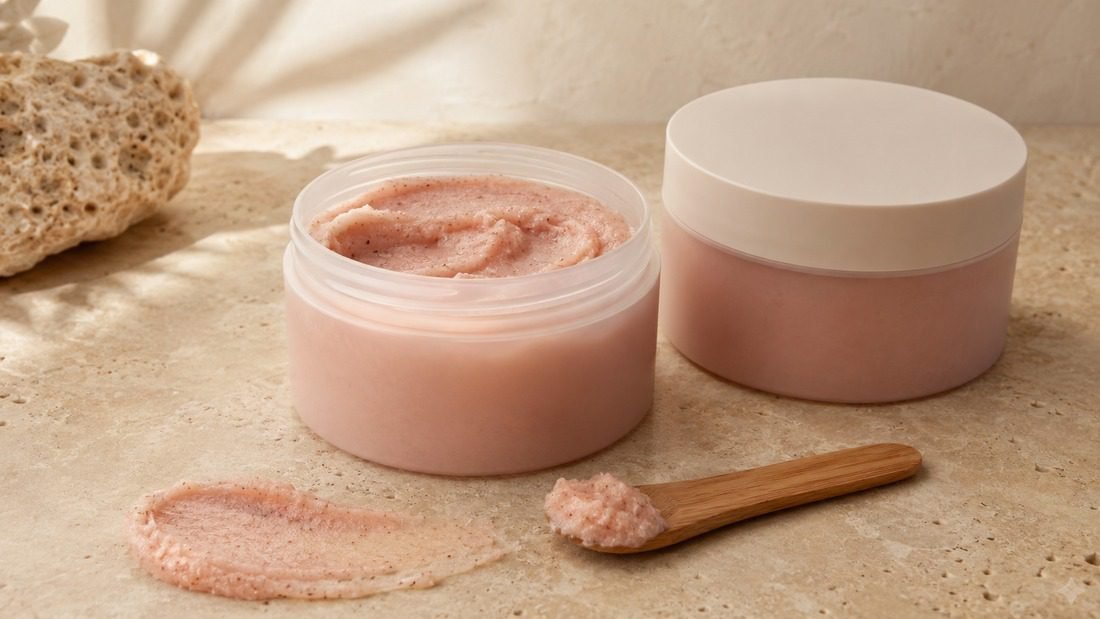
- UAE Distributor: A distributor in the UAE required pre-shipment inspection for a large order of body scrubs. The inspection caught labeling errors, avoiding a customs delay and preserving the brand's reputation.
- US E-commerce Seller: An online seller faced a microbial contamination issue in a body wash. After switching to a GMP-certified manufacturer with batch testing, they passed FDA inspection and regained customer trust.

Frequently Asked Questions
What is a COA, and why is it important for body care?
A COA (Certificate of Analysis) documents test results for a batch, confirming it meets specifications. It's essential for regulatory compliance and brand transparency.
How often should body care products undergo stability testing?
Stability testing should be done for every new formula and whenever there's a change in formulation, packaging, or manufacturing process. Accelerated testing (3 months) is standard, with real-time testing for confirmation.
What does pre-shipment inspection cover?
It covers packaging integrity, labeling accuracy, fill weight, and visual defects. It ensures the order matches the approved specifications before leaving the factory.
Can I rely on my manufacturer's QC alone?
While manufacturers should have robust QC, brands should independently verify via third-party testing or audits. This dual approach minimizes risk.
What are the key regulations for body care quality control?
Key regulations include ISO 22716 (GMP), EU Cosmetics Regulation (EC) No 1223/2009, and FDA MoCRA in the US. Compliance ensures safety and market access.
How does Flavor Sources support body care quality control?
Flavor Sources provides end-to-end QC, from raw material testing to pre-shipment inspection, with COA for every batch. We also offer stability testing and regulatory support for export.

 Scan to WhatsApp
About the Author
David Zhang has spent years in skincare formulation and quality control at Flavor Sources, a GMP ISO 22716-certified private label manufacturer based in Dongguan, China, serving brands in 50+ countries since 2000. Reach out to David's team for a custom formula consultation →
Ready to Ensure Your Body Care Quality?
Don't leave quality to chance. Partner with Flavor Sources for reliable body care manufacturing. Request a free sample or get a quote today to discuss your QC requirements.