Serum Quality Control for Beauty Brands: The Essential 2026 Guide to Reliable Sourcing
For beauty brands, serum quality control beauty brands trust is the foundation of product safety and efficacy. In 2026, with tighter regulations and informed consumers, robust serum quality control is essential. This guide explains the critical protocols—from batch testing to stability studies—so you can source with confidence.
Table of Contents
- Why Serum Quality Control Is a Critical Challenge for Beauty Brands
- The Core Pillars of Serum Quality Control
- Key Tests and Standards for Serum Quality Control
- Practical Steps to Vet Your Serum Manufacturer
- Case Examples: How Quality Control Prevents Problems
- Frequently Asked Questions
- What is a COA certificate, and why is it important for serums?
- How often should serum stability testing be performed?
- What does a serum pre shipment inspection involve?
- Can I rely on the manufacturer's in-house testing, or should I use a third-party lab?
- What are the key regulations for serum quality control in major markets?
- Ready to Ensure Your Serum Quality?
Why Serum Quality Control Is a Critical Challenge for Beauty Brands
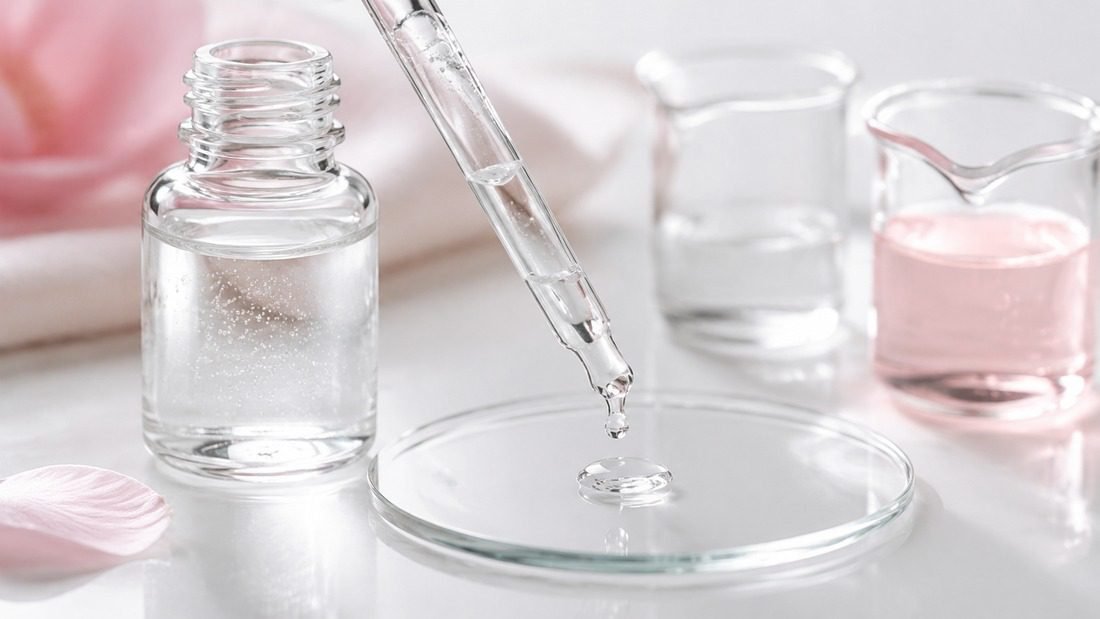
Serums are concentrated formulations with active ingredients that are sensitive to pH, temperature, and light. Without rigorous quality control, brands risk microbial contamination, ingredient degradation, and inconsistent texture. These issues can lead to product recalls, consumer complaints, and long-term reputational damage. For beauty brands, serum quality control is not just a regulatory checkbox—it's a strategic imperative to ensure every batch meets label claims and delivers the promised benefits.
The Core Pillars of Serum Quality Control
Effective serum quality control rests on three pillars: raw material verification, in-process monitoring, and finished product testing. Each pillar involves specific protocols and documentation that beauty brands must verify with their manufacturing partners.
Raw Material Verification
All incoming ingredients must be tested for identity, purity, and potency. Suppliers should provide a Certificate of Analysis (COA) for each lot. For active ingredients like hyaluronic acid or vitamin C, additional testing may include HPLC or titration to confirm concentration. Without this step, even the best formulation can fail.
In-Process Monitoring
During manufacturing, parameters such as pH, viscosity, and homogeneity must be monitored. For serums, pH is particularly critical because it affects both stability and skin compatibility. In-process checks help catch deviations early, before a full batch is compromised.
Finished Product Testing
Every batch of serum should undergo microbiological testing (aerobic plate count, yeast & mold, pathogens), stability testing, and packaging compatibility checks. A COA certificate for each batch is the final proof that the product meets specifications.
Key Tests and Standards for Serum Quality Control
To simplify, here is a comparison of essential tests for serum quality control, their purpose, and typical standards:
| Test Type | Purpose | Typical Standard/Method | Frequency |
|---|---|---|---|
| Microbiological Testing | Ensure absence of harmful microbes | ISO 17516 (cosmetics microbiology) | Every batch |
| Stability Testing | Assess shelf life and formula integrity | ICH Q1A (accelerated and real-time) | Pre-launch and periodic |
| pH Measurement | Verify skin compatibility and stability | Internal spec (e.g., 5.0–6.0) | Every batch |
| Viscosity | Ensure texture and pourability | Internal spec | Every batch |
| Active Ingredient Assay | Confirm potency | HPLC or titration | Every batch or per COA |
| Packaging Compatibility | Prevent leaching or degradation | Internal protocol | Pre-launch |
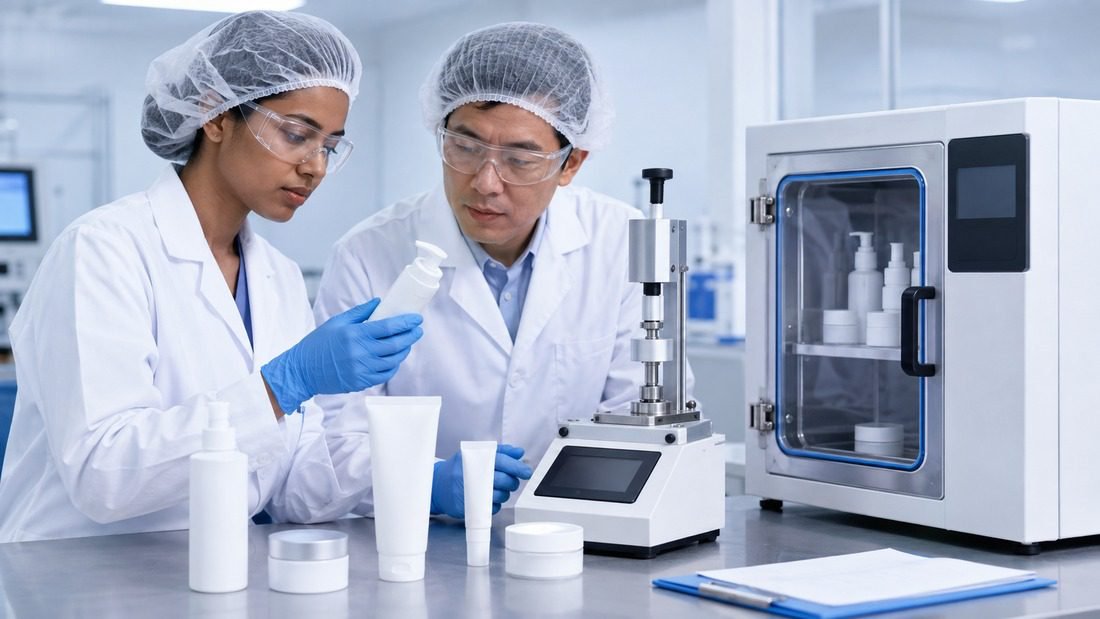
These tests form the backbone of serum batch testing and serum stability testing skincare protocols. Beauty brands should request documentation for each test and verify that the manufacturing facility follows ISO 22716 (Good Manufacturing Practices for cosmetics).
Practical Steps to Vet Your Serum Manufacturer
When selecting a manufacturing partner for your serum line, follow these steps to ensure robust serum quality control:
- Request Certifications: Ask for ISO 22716, GMP, and ISO 9001 certificates. Verify their validity and scope. You can review our Certificates page for an example.
- Audit the Facility: Conduct a virtual or on-site audit. Pay attention to cleanliness, equipment calibration, and documentation practices. Our Factory Tour provides a transparent look at our processes.
- Review COA Samples: Ask for sample COAs for serums similar to your formulation. Check that all tests are listed and results meet specifications.
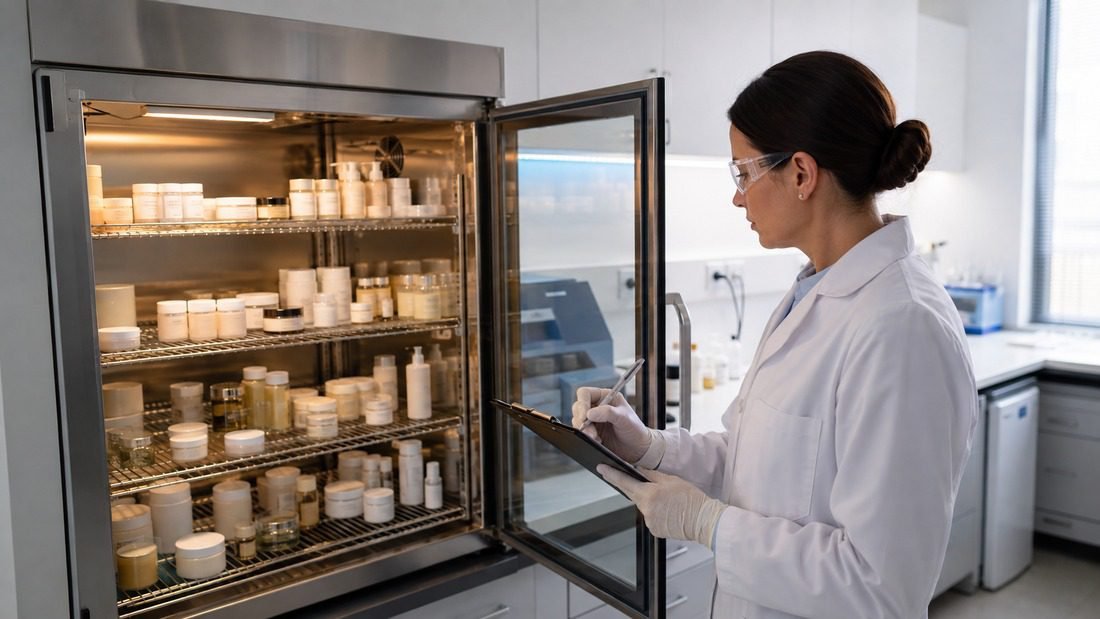
- Discuss Stability Protocols: Inquire about accelerated and real-time stability testing. Ensure they follow ICH guidelines or equivalent.
- Clarify Pre-Shipment Inspection: Confirm that a serum pre shipment inspection is conducted, including random sampling and testing before goods leave the factory.
- Check Traceability: Ensure batch numbers allow traceability from raw materials to finished product.
By following these steps, you can mitigate risks and build a reliable supply chain. For a deeper dive into our quality processes, visit our Quality Control page.
Case Examples: How Quality Control Prevents Problems
In the UK, a beauty brand launched a vitamin C serum without proper stability testing. After three months on shelf, the formula oxidized, turning brown and losing efficacy. The brand had to recall thousands of units, damaging its reputation. Had they insisted on serum stability testing skincare protocols, the issue would have been caught early.
In the UAE, a distributor received a batch of hyaluronic acid serum with inconsistent pH. Thanks to a pre-shipment inspection that included pH testing, the batch was rejected before it reached consumers. The distributor avoided a potential recall and maintained trust with retailers.
In Australia, a startup brand requested a COA certificate for each batch of its niacinamide serum. This documentation helped them pass a regulatory audit and secure a listing with a major retailer. These examples underscore that serum quality control beauty brands implement is not just about compliance—it's about protecting your brand.
Frequently Asked Questions
What is a COA certificate, and why is it important for serums?
A COA (Certificate of Analysis) is a document that reports the results of quality tests for a specific batch. It confirms that the serum meets specifications for identity, purity, potency, and microbiological safety. For beauty brands, a COA certificate is essential for regulatory compliance and consumer safety.
How often should serum stability testing be performed?
Stability testing should be conducted for every new formulation and whenever there is a change in packaging, supplier, or manufacturing process. Accelerated testing (e.g., 3 months at 40°C) provides early insights, while real-time testing (up to 3 years) confirms shelf life. Periodic testing of production batches is also recommended.
What does a serum pre shipment inspection involve?
A pre-shipment inspection typically includes random sampling from the finished batch, visual inspection, pH testing, viscosity check, and microbiological testing. It ensures that the product meets specifications before it leaves the factory, reducing the risk of non-conforming goods reaching the market.
Can I rely on the manufacturer's in-house testing, or should I use a third-party lab?
Both have value. In-house testing allows for quick feedback during production, while third-party labs provide independent verification. For high-risk products or new suppliers, we recommend third-party testing for at least the first few batches.
What are the key regulations for serum quality control in major markets?
In the EU, cosmetics must comply with EU Regulation 1223/2009, which requires a Cosmetic Product Safety Report (CPSR). In the US, the FDA's MoCRA (Modernization of Cosmetics Regulation Act) emphasizes safety substantiation and adverse event reporting. Other markets have similar requirements. Always ensure your manufacturer is aware of the regulations in your target market.

 Scan to WhatsApp
About the Author
David Zhang has spent years in skincare formulation and quality control at Flavor Sources, a GMP ISO 22716-certified private label manufacturer based in Dongguan, China, serving brands in 50+ countries since 2000. Reach out to David's team for a custom formula consultation →
Ready to Ensure Your Serum Quality?
Don't leave serum quality control to chance. Partner with a manufacturer that prioritizes testing and transparency. At Flavor Sources, we follow rigorous protocols to ensure every batch meets the highest standards. Request a free sample of our serums or get a quote for your custom formulation. Let us help you deliver safe, effective serums that build consumer trust.