Ultimate 2028 Checklist for Cream Lotion Formulation Ingredient Sourcing Startups
For startups in 2028, cream lotion formulation ingredient sourcing startups must prioritize regulatory compliance, supplier vetting, and scalable manufacturing. This checklist guides you through formulation, sourcing, testing, and production to launch a reliable skincare line.
Table of Contents
- Why Cream Lotion Formulation and Ingredient Sourcing Is a Critical Challenge for Startups
- The 2028 Startup Checklist: From Concept to Shelf-Ready Cream & Lotion
- Step 1: Define Your Product Vision and Target Market
- Step 2: Understand Regulatory Requirements Early
- Step 3: Master the Art and Science of Cream & Lotion Formulation
- Step 4: Source Ingredients Strategically
- Step 5: Develop a Robust Testing and Quality Assurance Plan
- Step 6: Choose the Right Manufacturing Partner
- Step 7: Plan for Packaging and Branding
- Step 8: Navigate Logistics and Export
- Practical Tips for Startup Founders
- Case Studies: How Startups Succeeded with Strategic Sourcing
- Frequently Asked Questions (FAQ)
- Ready to Launch Your Cream & Lotion Line?
Why Cream Lotion Formulation and Ingredient Sourcing Is a Critical Challenge for Startups
Launching a skincare brand is exciting, but the complexity of cream and lotion formulation and ingredient sourcing can overwhelm new founders. Unlike other product categories, topical products require meticulous attention to stability, safety, and efficacy. Startups often lack the in-house expertise to navigate raw material selection, regulatory pathways, and manufacturing scalability. A single misstep—such as using an incompatible emulsifier or sourcing from an unverified supplier—can lead to product failure, recalls, or regulatory action. This checklist distills the process into actionable steps, helping you avoid common pitfalls and build a solid foundation for your brand.
The 2028 Startup Checklist: From Concept to Shelf-Ready Cream & Lotion
Step 1: Define Your Product Vision and Target Market
Before diving into formulation, clarify your brand positioning, target consumer, and desired product benefits. Are you aiming for a clean beauty line, a clinical skincare brand, or an affordable daily moisturizer? Your vision dictates ingredient choices, packaging, and pricing. Consider conducting market research to identify gaps and trends. For startups, leveraging a partner like For Startups can provide guidance on feasible concepts and cost-effective pathways.
Step 2: Understand Regulatory Requirements Early
Regulations vary by market, and non-compliance can derail your launch. In the EU, cosmetic products require a Cosmetic Product Safety Report (CPSR) and notification via CPNP. In the US, the FDA's MoCRA (Modernization of Cosmetics Regulation Act) imposes new requirements for facility registration and product listing. Familiarize yourself with key regulations such as ISO 22716 (Good Manufacturing Practices) and ISO 16128 (natural and organic cosmetic ingredients). Early engagement with regulatory experts or a manufacturing partner with Export Support can streamline compliance.
Step 3: Master the Art and Science of Cream & Lotion Formulation
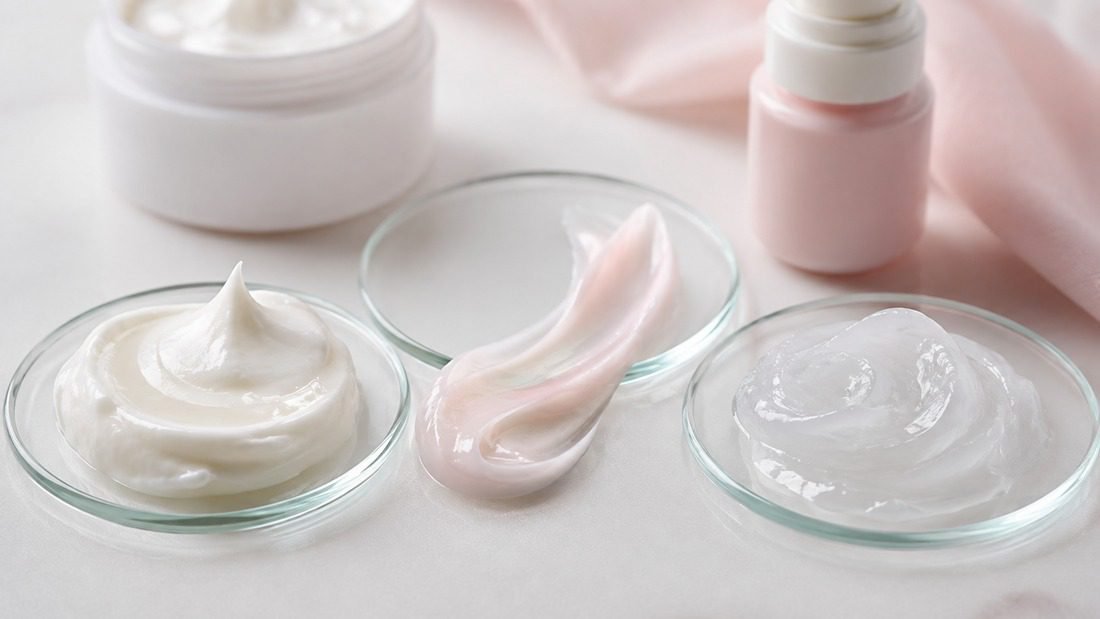
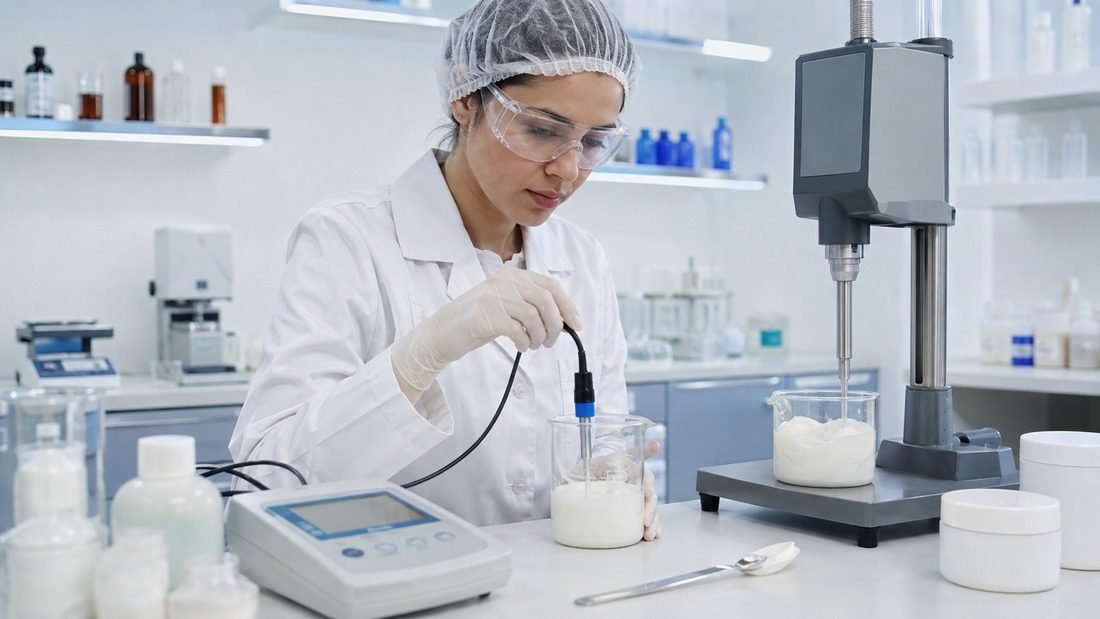
Formulation is where science meets creativity. A basic cream or lotion consists of water, emollients, emulsifiers, thickeners, preservatives, and active ingredients. The ratio and selection of these components determine texture, stability, and performance. Startups must decide between custom formulation and private label. Custom formulation allows differentiation but requires more time and investment. Private label offers speed to market with proven formulas. For those pursuing custom development, partnering with a formulator experienced in Custom Formula development is crucial. Key considerations include:
- Emulsifier selection: Determines stability and skin feel. Natural emulsifiers (e.g., cetearyl alcohol) vs. synthetic options.
- Preservative efficacy: Essential for safety; must pass challenge testing.
- Active ingredients: Antioxidants, hyaluronic acid, niacinamide, etc., require careful sourcing for purity and efficacy.
A common pitfall is neglecting accelerated stability testing, which can lead to phase separation or color changes. Always conduct stability testing under various temperature and humidity conditions.
Step 4: Source Ingredients Strategically
Ingredient sourcing is a make-or-break factor. Startups must balance quality, cost, and supply chain reliability. China has become a major hub for cosmetic raw materials, offering a wide range of actives, emulsifiers, and packaging components. However, vetting suppliers is critical. Here’s a comparison of sourcing approaches:
| Sourcing Approach | Pros | Cons | Best For |
|---|---|---|---|
| Direct from Chinese manufacturers | Cost-effective, wide selection, custom synthesis possible | Quality variability, communication barriers, minimum order quantities (MOQs) | Startups with technical expertise and volume |
| Through a formulator/manufacturer | Simplified logistics, quality assurance, consolidated orders | Higher cost, less control over specific suppliers | Startups lacking sourcing resources |
| Distributors in your region | Local support, smaller MOQs, faster delivery | Higher prices, limited access to innovative ingredients | Small-batch or niche brands |
When sourcing, request Certificates of Analysis (CoA), Material Safety Data Sheets (MSDS), and proof of regulatory compliance (e.g., REACH, FDA). For active ingredients, consider third-party testing for potency and purity. Building relationships with reliable suppliers takes time, so start early. If you need assistance, Cream & Lotion manufacturers often have established supply chains and can guide you.
Step 5: Develop a Robust Testing and Quality Assurance Plan
Quality is non-negotiable. Implement a testing protocol that includes:
- Microbiological testing: Ensure preservative efficacy and product safety.
- Stability testing: Real-time and accelerated to confirm shelf life.
- Packaging compatibility: Test for leaching, corrosion, and preservation challenges.
- Clinical safety testing: For claims support and consumer safety.
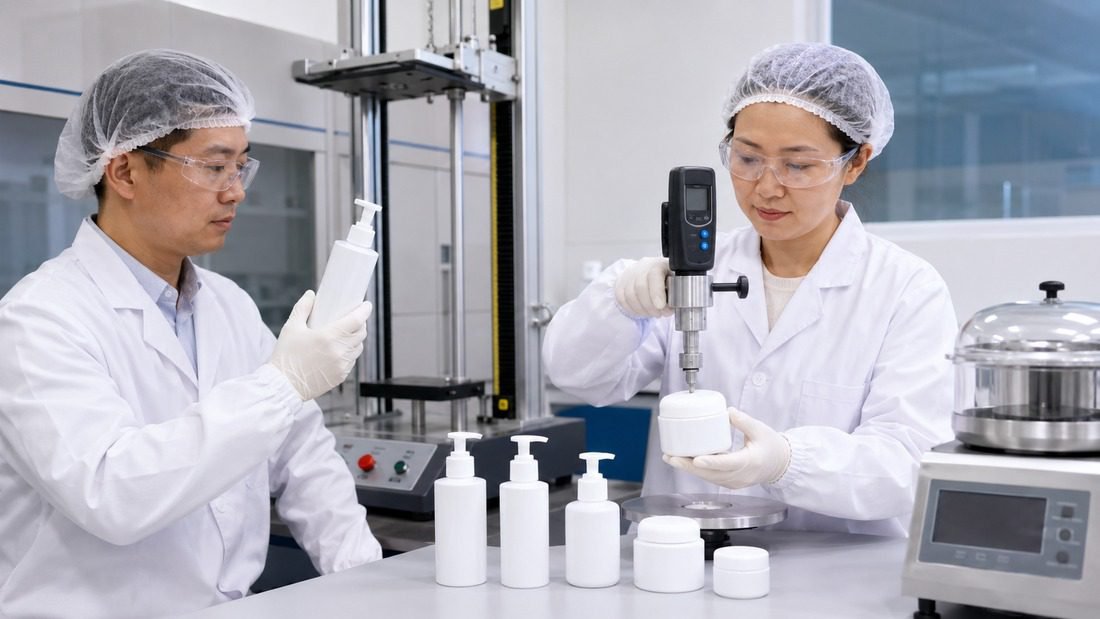
Partner with a manufacturer that follows strict Quality Control and offers Testing & Inspection services. This ensures your product meets industry standards and avoids costly recalls.
Step 6: Choose the Right Manufacturing Partner
Your manufacturing partner is your most critical ally. Look for a partner with:
- Certifications: ISO 22716, GMP, and relevant organic certifications.
- Experience: A track record in cream and lotion production for startups.
- Scalability: Ability to grow with your brand from small batches to mass production.
- Transparency: Open communication and willingness to share Certificates and audit reports.
A reliable partner can handle Sample Development, Bulk Production, and even Packaging Design. For startups, consider a partner that offers end-to-end Private Label Skincare services to minimize complexity.
Step 7: Plan for Packaging and Branding
Packaging is not just about aesthetics; it affects product stability and user experience. Choose packaging that protects the formula from light and air, and is compatible with the ingredients. Consider sustainability trends—recyclable or refillable packaging can appeal to eco-conscious consumers. Early collaboration with your manufacturer on packaging can prevent costly mistakes. Many OEMs offer Packaging Design support.
Step 8: Navigate Logistics and Export
If you plan to sell internationally, understand shipping regulations, labeling requirements, and customs. Work with a manufacturer that provides Export Support and can handle documentation. For example, exporting to the EU requires a Responsible Person and CPNP notification. Your partner should assist with these steps.
Practical Tips for Startup Founders
- Start with a minimum viable product (MVP): Launch a single SKU to test the market before expanding.
- Leverage samples: Request samples from multiple suppliers and manufacturers to compare quality and compatibility. Request Sample from potential partners.
- Budget for testing: Allocate at least 10-15% of your budget to testing and compliance.
- Build relationships: Visit factories if possible; a Factory Tour can reveal a lot about quality standards.
- Stay informed: Follow industry regulations and trends through authoritative sources like Cosmetics Europe or FDA.
Case Studies: How Startups Succeeded with Strategic Sourcing
- UK-based startup: Launched a vegan moisturizer by partnering with a Chinese OEM for custom formulation and sourcing of plant-based actives. Achieved £500k in first-year sales.
- UAE brand: Used private label services to quickly launch a halal-certified lotion line, tapping into the Middle Eastern market.
- US e-commerce seller: Sourced raw materials directly from China and worked with a local formulator to create a unique serum, reducing costs by 30%.
- Australian spa chain: Developed a private label body lotion with a manufacturer that provided full regulatory support for TGA compliance.
These examples highlight the importance of choosing the right partners and planning ahead.
Frequently Asked Questions (FAQ)
Q1: How long does it take to develop a custom cream or lotion?
A: Typically 8-12 weeks from concept to pilot, including formulation, stability testing, and packaging. Complex formulas may take longer.
Q2: What is the minimum order quantity (MOQ) for cream and lotion manufacturing?
A: MOQs vary by manufacturer; some offer as low as 1,000 units for startups, while others require 5,000+. Discuss with your partner.
Q3: How do I ensure ingredient quality from Chinese suppliers?
A: Request CoA, MSDS, and third-party test reports. Audit suppliers or work with a manufacturer that has vetted supply chains.
Q4: What certifications should I look for in a manufacturer?
A: ISO 22716, GMP, and ideally organic or halal certifications if relevant to your market.
Q5: Can I use the same formula for different markets?
A: Not always; regulatory differences (e.g., UV filters, preservatives) may require adjustments. Always check local regulations.
Q6: How can I protect my custom formula?
A: Sign a non-disclosure agreement (NDA) and work with a reputable manufacturer that respects intellectual property.

 Scan to WhatsApp
About the Author
David Zhang has spent years in skincare formulation and quality control at Flavor Sources, a GMP ISO 22716-certified private label manufacturer based in Dongguan, China, serving brands in 50+ countries since 2000. Reach out to David's team for a custom formula consultation →
Ready to Launch Your Cream & Lotion Line?
Don't let sourcing complexities hold you back. Whether you need custom formulation, ingredient sourcing, or full-service manufacturing, Cream & Lotion experts can guide you. Take the first step by requesting a sample or getting a quote. Request Sample or Get a Quote today and turn your vision into reality.