Serum vs Essence: The Complete 2026 Guide to Compliance & Certification for Confident Sourcing Decisions
When sourcing serums or essences, serum vs essence compliance certification is a critical decision point. Serums typically require more stringent preservative efficacy and stability testing due to higher active concentrations, while essences often face simpler regulatory pathways. Understanding these differences ensures your product meets target market regulations and builds consumer trust.
Table of Contents
- Understanding the Serum vs Essence Confusion
- Key Differences in Formulation and Compliance
- Practical Tips for Sourcing Serums and Essences
- Case Studies: Compliance Success in Key Markets
- FAQ
- What is the main difference in compliance between serums and essences?
- Do I need different certifications for serums vs essences?
- How can I ensure my private label serum is compliant in the EU?
- What are the common pitfalls in serum vs essence compliance certification?
- How long does compliance certification take for a new serum?
- Can I use the same formula for both serum and essence?
- Ready to Source Compliant Serums and Essences?
Understanding the Serum vs Essence Confusion
Many brands and importers struggle to distinguish between serums and essences, leading to compliance missteps. The terms are often used interchangeably, but they differ in formulation, function, and regulatory classification. Serums are concentrated treatments with high active levels, while essences are lighter, hydrating fluids. This ambiguity can result in incorrect product classification, missing certifications, or failed market entry. A clear definition is the first step toward serum vs essence compliance certification success.
Key Differences in Formulation and Compliance
Defining Serums and Essences
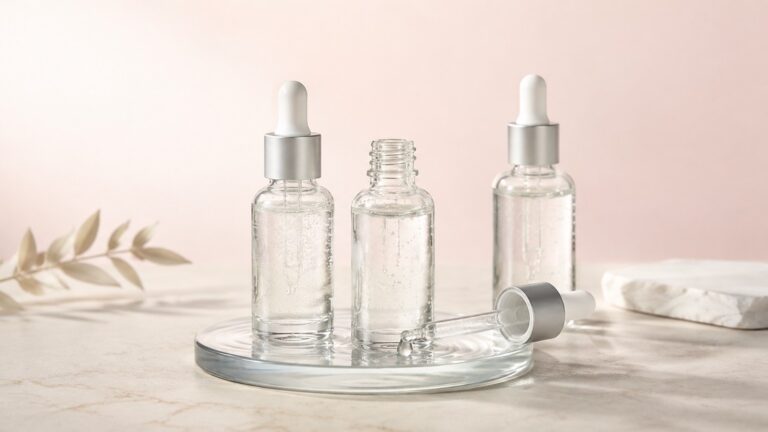
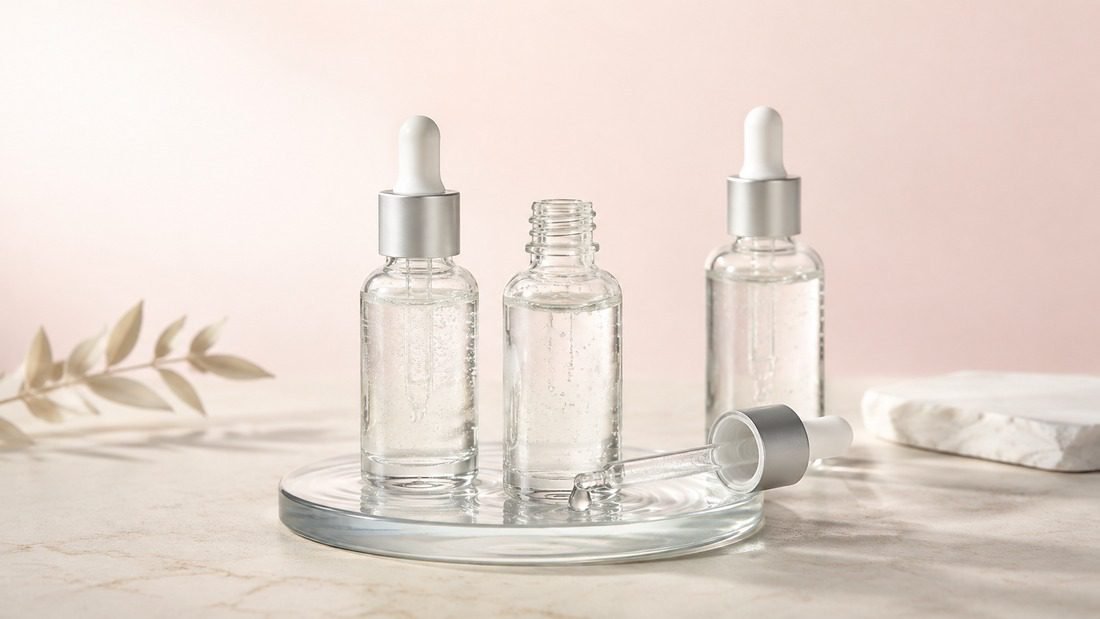
Serums are water- or oil-based formulations with high concentrations of active ingredients like vitamins, peptides, or acids. They target specific concerns such as aging or hyperpigmentation. Essences are thinner, often watery, and focus on hydration and skin conditioning. These formulation differences impact preservative needs, stability, and testing requirements.
Regulatory Classification and Certification
Regulations vary by region. In the EU, both fall under cosmetic products, but serums with claims of altering skin structure may be scrutinized as borderline drugs. Essences are generally simpler. In the US, the FDA MoCRA requires facility registration and product listing for both, but serums with drug-like claims may require New Drug Application. Certification like ISO 22716 (GMP) is essential for both. The table below summarizes key compliance aspects.
| Aspect | Serum | Essence |
|---|---|---|
| Active concentration | High (often >10%) | Low to moderate |
| Preservative challenge | More complex due to actives | Simpler |
| Stability testing | Extensive (3-6 months) | Standard (1-3 months) |
| Regulatory risk | Higher (drug borderline) | Lower |
| Typical certifications | ISO 22716, CPSR, cruelty-free | ISO 22716, CPSR |
The Role of Certifications
Certifications such as ISO 22716, EU CPSR, and cruelty-free attestations are vital for market access. For serums, additional testing like HRIPT (Human Repeated Insult Patch Test) may be needed. Essences often require less. When sourcing, ensure your manufacturer holds relevant certificates. Flavor Sources provides comprehensive Certificates for all product types.
Practical Tips for Sourcing Serums and Essences
Assessing Manufacturer Capabilities
Choose a manufacturer with expertise in both formats. Verify their quality control processes and testing capabilities. For serums, ask about stability testing protocols and preservative efficacy. For essences, ensure they understand the lighter texture requirements. Flavor Sources offers Quality Control that meets international standards.
Navigating Certification Requirements
Identify target markets and their specific regulations. For the EU, CPSR is mandatory. For the US, MoCRA compliance is required. Work with a manufacturer who can provide necessary documentation. Consider third-party certifications like vegan or organic if aligned with your brand. Our Export Support team can guide you through regional requirements.
Leveraging Private Label and Custom Formulas
Private label serums allow for quick market entry with established formulas. However, ensure the formula is compliant for your market. Custom formulas offer differentiation but require more testing. Flavor Sources offers Private Label Skincare and Custom Formula services with compliance built-in.
Case Studies: Compliance Success in Key Markets
UK: Navigating EU Regulations Post-Brexit
A UK-based beauty brand sourced a private label serum for anti-aging claims. The manufacturer provided CPSR and stability data, but the brand needed to ensure UK-specific labeling. With our Export Support, they obtained the necessary documentation and launched successfully, achieving compliance with UK cosmetics regulations.
UAE: Meeting ESMA Requirements
A UAE distributor sought an essence with brightening claims. The product required ESMA registration and halal certification. Our team assisted in formulating a compliant essence and provided required testing. The product now sells in major UAE retailers, demonstrating effective serum vs essence compliance certification navigation.
US: MoCRA Compliance for a Startup
A US startup launched a serum with vitamin C. They needed MoCRA facility registration and product listing. We guided them through the process, including safety substantiation. The serum now complies with FDA requirements, and the brand has expanded into major retailers.
Australia: TGA Compliance for Therapeutic Claims
An Australian brand developed an essence with acne-fighting claims, which triggered TGA regulation. We reformulated to a cosmetic essence with milder claims, avoiding TGA. This strategic pivot saved months of regulatory delays and allowed a swift launch.
FAQ
What is the main difference in compliance between serums and essences?
Serums often require more extensive stability and preservative testing due to higher active concentrations, while essences generally have simpler requirements. However, both must comply with regional regulations like EU CPSR or US MoCRA.
Do I need different certifications for serums vs essences?
Core certifications like ISO 22716 (GMP) apply to both. However, serums may need additional testing such as HRIPT or efficacy studies, especially if making drug-like claims. Essences typically require standard safety assessments.
How can I ensure my private label serum is compliant in the EU?
Work with a manufacturer that provides a Cosmetic Product Safety Report (CPSR) and follows ISO 22716. Ensure the formula and claims comply with EU Cosmetics Regulation 1223/2009. Flavor Sources offers full documentation support.
What are the common pitfalls in serum vs essence compliance certification?
Common pitfalls include misclassification (e.g., serum as drug), missing MoCRA registration in the US, and inadequate stability testing. Choosing an experienced manufacturer like Flavor Sources mitigates these risks.
How long does compliance certification take for a new serum?
Timelines vary by market. EU CPSR may take 2-4 weeks, while US MoCRA registration is ongoing. Stability testing can take 3-6 months. Early planning with your manufacturer is key.
Can I use the same formula for both serum and essence?
No, formulations differ significantly in texture and active levels. However, you can develop a line with both formats using a manufacturer skilled in both, like Flavor Sources.

 Scan to WhatsApp
About the Author
David Zhang has spent years in skincare formulation and quality control at Flavor Sources, a GMP ISO 22716-certified private label manufacturer based in Dongguan, China, serving brands in 50+ countries since 2000. Reach out to David's team for a custom formula consultation →
Ready to Source Compliant Serums and Essences?
Ensure your next product meets all regulatory standards with Flavor Sources. We provide end-to-end support, from formulation to certification. Request a free sample of our serums or essences, or get a quote for your private label project. Let us help you navigate serum vs essence compliance certification with confidence.