Ultimate 2027 Guide to Private Label Serum Importers Germany Quality Control
For private label serum importers germany quality control is the cornerstone of a successful 2027 strategy. This roadmap outlines essential steps: rigorous batch testing, comprehensive COA certificates, stability studies, and pre-shipment inspections to ensure your serums meet German regulatory standards and consumer expectations. Partner with a trusted manufacturer to navigate EU compliance confidently.
Table of Contents
- Why Quality Control for Private Label Serum Importers in Germany Is Non-Negotiable
- Defining Quality Control for Serum: Key Components and Standards
- The 2027 Roadmap: Step-by-Step Quality Control for Importers
- Practical Tips for Ensuring Serum Quality
- Case Studies: Real-World Quality Control Success
- Frequently Asked Questions (FAQ)
- Ready to Secure Your Serum Supply?
Why Quality Control for Private Label Serum Importers in Germany Is Non-Negotiable
German consumers are among the most discerning in Europe, demanding high-quality, safe, and effective skincare. For importers, a single quality failure can lead to costly recalls, reputational damage, and regulatory penalties. The EU Cosmetics Regulation (EC) No 1223/2009 sets stringent requirements, and Germany's BVL enforces them rigorously. Therefore, a robust quality control system is not just a competitive advantage—it's a legal and ethical obligation.
Defining Quality Control for Serum: Key Components and Standards
Quality control for serum encompasses every stage from raw material sourcing to final product delivery. It includes batch testing, stability studies, packaging compatibility, and documentation. Understanding these components is vital for importers aiming to build a reliable supply chain.
Critical Quality Control Elements
| Element | Description | Importance for Importers |
|---|---|---|
| Batch Testing | Testing each production batch for active ingredients, pH, viscosity, and microbial contamination. | Ensures consistency and safety; prevents defective batches from reaching the market. |
| COA Certificate | Certificate of Analysis documenting test results for each batch. | Serves as proof of quality; required for customs and regulatory audits. |
| Stability Testing | Assessing product stability under various conditions over time. | Guarantees shelf life and efficacy; avoids degradation issues. |
| Pre-shipment Inspection | Visual and functional inspection before shipment. | Catches packaging defects and labeling errors early. |
| Regulatory Compliance | Ensuring formula and labeling meet EU and German regulations. | Avoids fines and market withdrawal; builds consumer trust. |
Key Terms Defined
- COA (Certificate of Analysis): A document provided by the manufacturer detailing the results of quality tests performed on a specific batch.
- Stability Testing: A series of tests to determine how a product's quality changes over time under various environmental conditions.
- Pre-shipment Inspection (PSI): A final check conducted before goods leave the factory to ensure they meet specifications.
The 2027 Roadmap: Step-by-Step Quality Control for Importers
To help private label serum importers germany quality control effectively, follow this actionable roadmap.
Step 1: Partner with a Certified Manufacturer
Choose a manufacturer with proven credentials, such as ISO 22716 (Good Manufacturing Practices) and adherence to EU regulations. Verify their certifications and audit reports. At Flavor Sources, we provide comprehensive Certificates and welcome Factory Tour to demonstrate our commitment to quality.
Step 2: Establish a Batch Testing Protocol
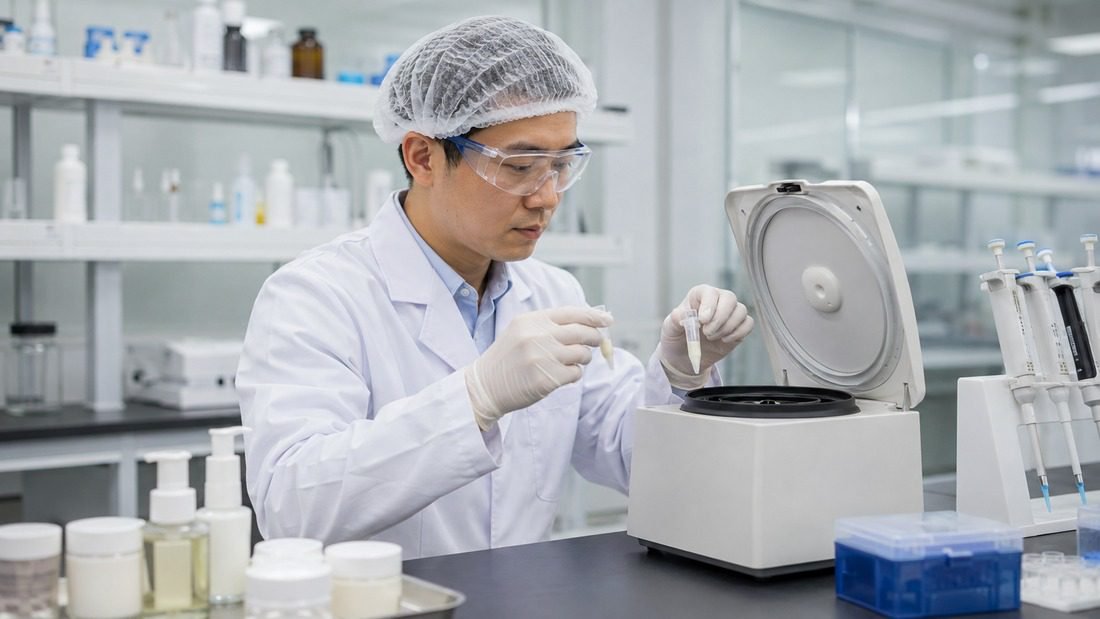
Work with your manufacturer to define a batch testing protocol that covers all critical parameters. This should include testing for active ingredients, preservative efficacy, pH, viscosity, and microbial contamination. Request a serum COA certificate for every batch. Our Testing & Inspection services ensure each batch meets your specifications.
Step 3: Conduct Stability Testing
Stability testing is crucial for serums, which often contain sensitive actives like vitamin C or retinol. Ensure your manufacturer performs accelerated and real-time stability studies to confirm shelf life and packaging compatibility. This helps prevent issues like oxidation or separation. For custom formulas, our Custom Formula team integrates stability testing from the start.
Step 4: Implement Pre-shipment Inspections
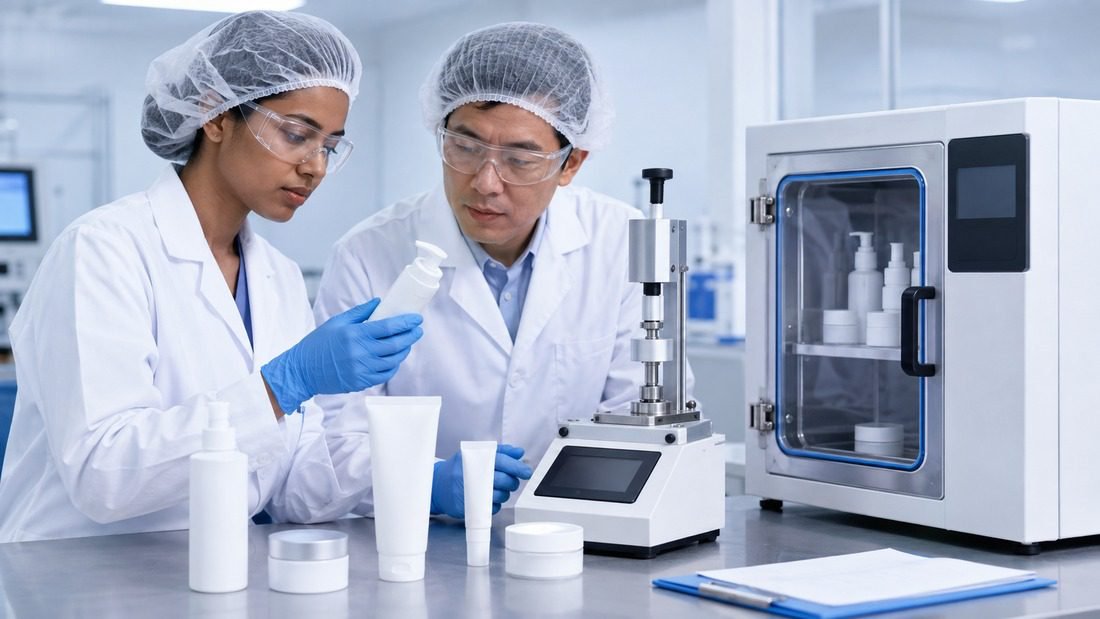
Before shipment, arrange for a pre-shipment inspection to verify product quality, packaging integrity, and labeling accuracy. This step catches any last-minute issues and ensures your order arrives as expected. Our Quality Control team conducts thorough inspections.
Step 5: Maintain Comprehensive Documentation
Keep detailed records of all quality control activities, including COAs, stability reports, and inspection reports. This documentation is essential for regulatory audits and builds trust with your customers. For importers, our Export Support includes complete documentation packages.
Practical Tips for Ensuring Serum Quality
- Audit Your Manufacturer Regularly: Conduct annual audits or rely on third-party audits to ensure ongoing compliance.
- Request Samples for Each Batch: Before bulk production, approve samples from each batch to confirm consistency.
- Stay Updated on Regulations: Monitor changes in EU cosmetics regulations and German-specific requirements.
- Use a Quality Agreement: Formalize quality expectations with your manufacturer through a quality agreement.
Case Studies: Real-World Quality Control Success
- UK Importer: A UK-based brand sourced private label serums from Flavor Sources. By implementing our batch testing protocol and stability studies, they achieved a 30% reduction in customer complaints and streamlined their EU market entry.
- UAE Distributor: A distributor in the UAE required serums with high stability for a hot climate. Our stability testing and packaging optimization ensured product integrity, leading to repeat orders.
- US E-commerce Seller: An online retailer used our pre-shipment inspection services to eliminate packaging defects, resulting in a 5-star customer rating and repeat purchases.
Frequently Asked Questions (FAQ)
Q1: What is a COA certificate, and why is it important for serum imports?
A COA certificate documents the test results for a specific batch, proving its quality and safety. It is essential for customs clearance and regulatory compliance in Germany.
Q2: How often should stability testing be performed?
Stability testing should be conducted for each new formula and whenever there are changes in formulation, packaging, or manufacturing processes. Ongoing stability studies are also recommended.
Q3: What are the key regulations for serum imports in Germany?
Serums must comply with the EU Cosmetics Regulation (EC) No 1223/2009, which includes safety assessment, labeling, and ingredient restrictions. German authorities may also require additional documentation.
Q4: Can you provide pre-shipment inspection reports?
Yes, we provide detailed pre-shipment inspection reports as part of our quality control services to ensure your order meets specifications.
Q5: How do I choose a reliable private label serum manufacturer?
Look for certifications like ISO 22716, GMP, and a track record of quality. Request samples, audit reports, and speak with existing clients if possible.

 Scan to WhatsApp
About the Author
David Zhang has spent years in skincare formulation and quality control at Flavor Sources, a GMP ISO 22716-certified private label manufacturer based in Dongguan, China, serving brands in 50+ countries since 2000. Reach out to David's team for a custom formula consultation →
Ready to Secure Your Serum Supply?
Ensure your private label serum meets the highest quality standards for the German market. Request a free sample or get a personalized quote today to start your quality-controlled serum journey.
Request a Sample or Get a Quote now.